
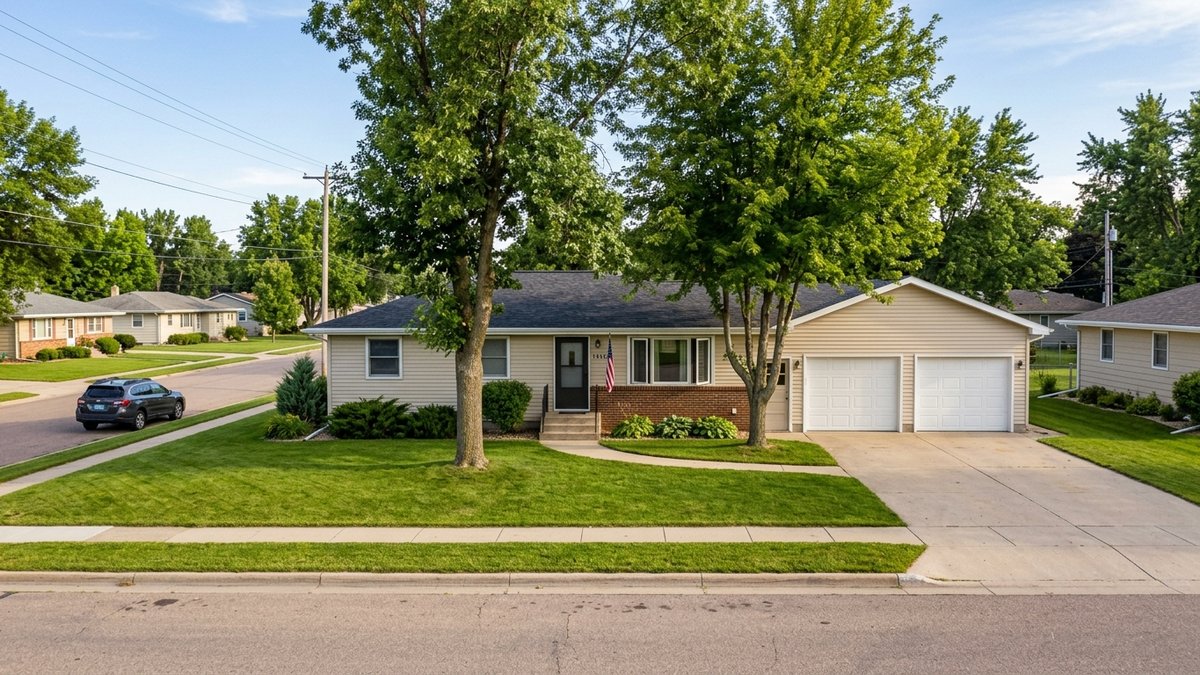
Why is there no single cost to retire in South Dakota?
Housing status changes the South Dakota retirement budget before groceries, healthcare, or travel enter the picture. U.S. Census Bureau estimates for 2020 through 2024 put statewide median monthly owner costs at $1,680 with a mortgage and $617 without one. Median gross rent was $946. Those figures are useful starting points, but they aren’t current quotes for a particular house or apartment.
A mortgage-free owner may begin with a lower monthly housing line, then face property tax, insurance, repairs, utilities, and major replacements. A renter transfers much of the repair risk to a landlord but still has to test rent availability, included utilities, lease terms, and future increases. A buyer carrying a mortgage needs the full payment, not just principal and interest.
That is why a statewide annual comfort number can mislead. It blends households with very different homes, debts, health coverage, vehicles, and travel patterns. Start with the exact housing path, then build the rest of the budget around the community. The South Dakota cost-of-living guide gives broad context, while the retirement worksheet below turns that context into a household decision.
Which housing path fits your retirement budget?
The right housing path is the one that leaves enough monthly room and cash reserves after the move. A smaller payment can help, but the cheapest listing price doesn’t settle the decision. Property condition, taxes, insurance, utility history, distance from services, and future maintenance all matter.
| Housing path. | Start with. | Costs that are easy to miss. |
|---|---|---|
| Rent. | Actual rent and included utilities. | Deposits, renter insurance, parking, utility setup, future increases. |
| Own with mortgage. | Principal, interest, property tax, insurance. | Association charges, repairs, winter operation, major replacements. |
| Own without mortgage. | Property tax and insurance. | Repairs, roof or mechanical replacement, utilities, snow access. |
Use the Census medians only as a reasonableness check. Ask for the actual lease terms or calculate the complete payment for the property. For a purchase, request 12 to 24 months of utility history and review the inspection before deciding how much repair reserve remains after closing.
A house that frees up $250 each month but requires a roof, aging heating equipment, and a long drive to routine appointments may not improve the retirement plan. Compare the first five years of likely ownership, not only the first payment.
How should Medicare and healthcare access enter the budget?
Healthcare needs a fixed baseline plus a local plan check. Medicare lists the standard Part B premium at $202.90 per month in 2026 and the annual Part B deductible at $283. After the deductible, Original Medicare generally leaves 20 percent coinsurance for covered services when the provider accepts the Medicare-approved amount.
That baseline doesn’t include every healthcare expense. Part D, Medicare Advantage, and Medigap premiums vary. Drug costs, dental care, vision care, hearing services, and noncovered needs can add other lines. A plan that looks affordable may use a provider network that doesn’t match the doctors or facilities you expect to use.
Check plans by the South Dakota ZIP code you are considering. Then map routine providers, a preferred hospital, pharmacy options, and the travel required for recurring care. A lower housing payment in a smaller community can still work well, but the transportation budget must reflect longer trips when specialty care is elsewhere.
Keep ordinary healthcare spending separate from a later-life care scenario. The current sources don’t support one statewide assisted-living or nursing-care price, so don’t hide an uncertain future cost inside a made-up monthly average. Use a financial professional and care providers to test that scenario with current quotes.
Does South Dakota’s tax structure make retirement cheap?
South Dakota’s lack of an individual state income tax can remove one line from a retirement budget, but it doesn’t make retirement tax-free. The South Dakota Department of Revenue confirms the state has no individual income tax. Federal tax can still apply to pensions, annuities, retirement-account distributions, and part of Social Security depending on the household’s income.
Property tax stays with homeowners. Sales and use tax also affects ordinary spending. Ask a tax professional to compare the income sources you expect after retirement instead of applying a simple no-tax label to the move. The South Dakota income-tax guide explains the state rule, while the IRS provides the household-specific federal tests.
Some older or disabled homeowners may qualify for narrow property-tax relief. South Dakota’s 2026 assessment freeze required income and property-value limits, plus at least five years of state residency in most cases. Applicants also needed owner occupancy and at least 200 days in the home during the prior year. The 2026 deadline was April 1.
That residency rule matters for a new retiree moving into the state. Don’t put an assessment freeze into the first-year budget unless the county treasurer confirms eligibility for the applicable year. Treat relief as a program to investigate, not guaranteed savings.
What should utilities and transportation add to the plan?
Utilities and transportation should come from the address, fuel type, and weekly routine. A statewide estimate can’t account for the difference between an efficient city home and an older acreage with propane heat, a private well, and a long lane.
For a home purchase, request 12 to 24 months of electricity and heating-fuel statements. Identify water, sewer, trash, internet, and any association service. The U.S. Energy Information Administration shows South Dakota residential natural-gas prices moving from $8.23 to $11.29 per thousand cubic feet between November 2025 and April 2026. Usage, insulation, equipment, and weather still control the bill, so price data can’t replace address history.
Transportation needs the same local treatment. Count vehicles, insurance, fuel, registration, tires, winter supplies, maintenance, and replacement savings. Then estimate mileage to groceries, healthcare, family, and regular activities. A household moving from two vehicles to one has a different plan from someone keeping a truck for acreage work and another car for appointments.
Compare the full routine before choosing a town. The South Dakota relocation guide can organize the move, but the retirement budget should record the actual drives and property systems that will repeat every month.
Build your six-line South Dakota retirement worksheet
A useful retirement worksheet separates recurring spending from uncertain repairs and future care. That prevents a low monthly total from hiding the cash needed when a furnace, vehicle, or roof fails.
| Budget line. | What to enter. | What to verify. |
|---|---|---|
| Housing. | Rent or full owner payment. | Lease, tax, insurance, association charges. |
| Healthcare. | Part B, other coverage, drugs, routine out of pocket. | ZIP-code plans, networks, preferred providers. |
| Utilities. | Electric, heat, water, sewer, internet, trash. | Address history, fuel, provider, seasonal peaks. |
| Transportation. | Vehicles, fuel, maintenance, insurance, travel. | Distance to care, groceries, family, winter needs. |
| Taxes. | Federal estimate, property tax, sales or use tax. | Income sources, county figures, professional review. |
| Reserves. | Home repair, vehicle replacement, healthcare contingency. | Cash left after moving and closing costs. |
Run the worksheet three ways. First, use today’s expected routine. Second, add a high-utility winter and a major home repair. Third, test a year with more healthcare travel or help at home. The goal isn’t to predict every bill. It is to see whether the plan remains workable when one category rises.
Keep later-life care outside the ordinary monthly total until you have a sourced local scenario. A separate line makes the uncertainty visible and easier to review with family, a financial planner, or a care professional.
How can you compare two South Dakota communities?
Compare two communities with the same housing, healthcare, utility, and transportation evidence. Don’t use a current listing in one town and a statewide average for the other. That produces a clean-looking answer built from mismatched inputs.
Choose one realistic housing option in each place. Record the complete payment or rent, utility history when available, insurance quote, property condition, and immediate repair needs. Then check Medicare plan availability by ZIP code and map the providers you expect to use. Add regular drives rather than a generic mileage allowance.
For example, a lower-cost home farther from specialty care may still be the better fit if appointments are rare and the house needs little work. The same home may be a poor fit when weekly travel, snow access, or aging equipment absorbs the savings. The tradeoff belongs in the worksheet, not in a broad best-place claim.
Unknowns should stay visible. If a seller can’t provide utility history or an insurer hasn’t quoted the address, leave that line open instead of entering zero. When you are ready to connect the budget to actual properties, talk with Michelle about the housing details and due-diligence timeline before the choice becomes expensive to unwind.
Frequently asked questions
How much does a retiree need each month in South Dakota?
There is no reliable single amount. Start with the actual housing path, then add healthcare, utilities, transportation, taxes, insurance, maintenance, and separate reserves.
Is retirement income tax-free in South Dakota?
South Dakota does not impose an individual state income tax, but federal tax can still apply. Property tax and sales or use tax also remain relevant.
What is the standard Medicare Part B premium in 2026?
Medicare lists the standard 2026 Part B premium at $202.90 per month. Higher-income adjustments, other coverage, drugs, and out-of-pocket costs can add more.
Can a new South Dakota resident use the senior assessment freeze?
The 2026 program generally required five years of South Dakota residency plus age or disability, income, home-value, ownership, and occupancy conditions. Confirm current rules with the county treasurer.
Sources U.S. Census Bureau QuickFacts: South Dakota · Medicare 2026 Costs · South Dakota Department of Revenue: Taxes · South Dakota 2026 Assessment Freeze · U.S. EIA South Dakota Natural Gas Prices · IRS Seniors and Retirees
Related South Dakota resources

Work with Michelle Maloney
Bring Michelle the town, property type, timeline, and the decision you are stuck on. She will help you compare Sioux Falls, Vermillion, Yankton, Tea, Beresford, Elk Point, and the Sioux City corridor against the way you actually need to live or sell.