
Moving Checklist
Moving to South Dakota Checklist
Organize the state paperwork and household tasks that come with a South Dakota move, from choosing a community through updating your former-state ties.
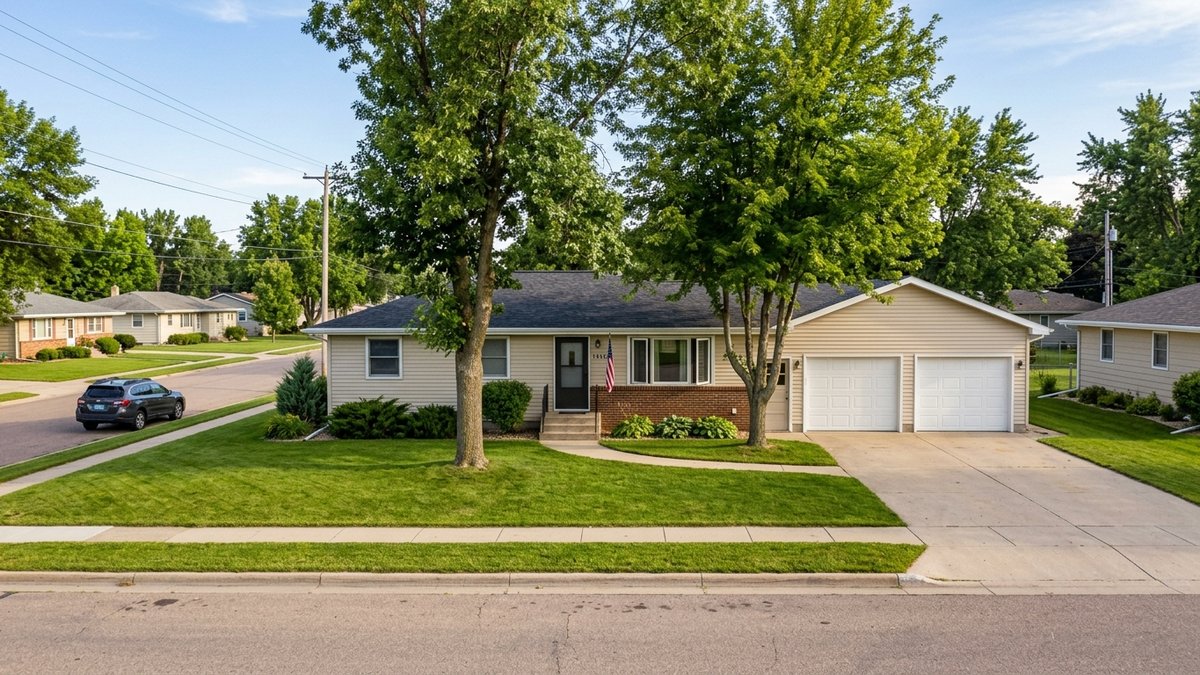
Step 1 - Decide the region
Start with east vs. west, then narrow to southeast South Dakota if you want jobs, healthcare, and easier logistics. Sioux Falls is the state's main metro, while Vermillion, Yankton, Tea, Brandon, and Harrisburg each give you a different balance of commute, school, and housing choice. That decision drives everything else - region affects utilities, schools, commute time, and even how far you'll drive for specialist care. If you're moving for work, your employer's location should win over your preference for a specific house.
Step 2 - Establish residency
South Dakota's residency rules differ depending on what you're doing. For voter registration, the state requires a fixed permanent dwelling where you usually live and sleep for at least 30 consecutive days. For driver's licensing, you need a physical SD residential address; full-time RVers can use a residency affidavit with a one-night stay receipt. South Dakota's full-time-traveler system is one of the easiest in the country to work with, but it isn't a mail drop. The state requires documentation, and the affidavit process is meant for people who truly meet the full-time travel or RV criteria.
Step 3 - Get the SD driver's license
The SD Department of Public Safety requires in-person application: surrender your old license, bring proof of identity, Social Security number, and South Dakota residency. If you're using the full-time traveler path, the residency affidavit and one-night stay receipt are part of the package. REAL ID matters too. If you want a license usable for federal identification purposes, bring REAL ID documents at the time of application instead of upgrading later. Treat the DMV visit as a full document check, not a quick errand.
Step 4 - Register your vehicle
SD Department of Revenue gives new residents 90 days from arrival to title and license a vehicle. The state applies a 4% motor vehicle excise tax to most purchases - budget for that separately from house costs. Gather the title, bill of sale if needed, proof of insurance, and your new address before you head to the county treasurer. If you bought the vehicle in another state, don't assume your old registration solves the issue once you establish SD residency.
Step 5 - Register to vote
Once you have a real South Dakota residence, register through the Secretary of State's process. Voting residency uses a 30-day standard tied to a fixed permanent dwelling, so this step isn't immediate on day one. If you're a full-time traveler, don't confuse driver's license residency with voting residency. They're related but not identical - voting rules are stricter than licensing for some applicants.
Step 6 - Switch utilities
Utilities are regional, so this depends on where you land. Sioux Falls and the surrounding metro use a mix of providers - Xcel, MidAmerican, Sioux Valley Energy, and NorthWestern Energy depending on location. Rural areas and smaller towns may use different electric co-ops or municipal systems. Do this before closing or immediately after the move so heat and lights are on when you arrive. For an acreage, ask about electric, propane, internet, and rural service issues - the utility setup is part of the property choice.
Step 7 - Handle healthcare
Move your primary care first if you have ongoing needs. In southeast SD, Sanford and Avera are the major systems - check whether your doctors, specialists, prescriptions, and insurance network line up before the move. Prescription transfers are usually straightforward, but don't wait until you run out. If you're moving with a chronic condition, line up your first appointment and refill plan before the truck arrives.
Step 8 - Register kids for school
If you have school-age children, register as soon as you know the closing date or lease start. Sioux Falls 49-5, Yankton 63-3, Vermillion 13-1, Harrisburg 41-2, Tea Area 41-5, and Brandon Valley all have their own registration process and want address verification plus enrollment documents. The school step is easier if you keep copies of the lease, closing statement, utility setup, and immunization records in one place. Families often underestimate how much smoother week one runs when school paperwork is already organized.
Step 9 - Notify your former state
This is the step people forget. If you're truly changing domicile, you should be able to show you abandoned your prior state and established a new one. Update mailing addresses, move your main home, change your license, register your vehicle, and shift your regular life to South Dakota. Keeping too many ties to the old state creates residency confusion. That's especially important for people moving for tax reasons, retirement, or full-time travel.
Moving budget
The cheapest way to move to South Dakota is usually a self-move, especially for a small household where you can haul only what you need. A full-service interstate mover costs more but reduces stress and saves time on long-distance moves. Budget for truck or mover, fuel, hotels, packing supplies, temporary storage, utility deposits, vehicle excise, and the first month or two of setup costs. For an acreage or larger house, add money for snow equipment, yard tools, and rural service setup.
Compare the options
| Question | Why it matters | Where to go next |
|---|---|---|
| Need city scale? | Jobs and healthcare access | Sioux Falls |
| Want a college town? | USD, rentals, local businesses | Vermillion |
| Want lake and river life? | Lifestyle and recreation | Yankton / Homes of Yankton |
| Want smaller town access? | Budget and commute | Tea, Beresford, Elk Point |
Related South Dakota guides
Frequently asked questions
How long does it take to become a South Dakota resident?
For voting, the state uses a 30-day residency standard tied to a permanent dwelling. For licensing and vehicle registration, the practical timeline is faster once you have an SD address and the required documents.
Do I need to register my car immediately when I move?
Not immediately, but you have a deadline. South Dakota gives new residents 90 days from arrival to title and license an out-of-state vehicle.
Can I become a South Dakota resident if I live in an RV?
Yes, if you meet the state's full-time traveler requirements. SD allows full-time RV travelers to qualify for a driver's license using the residency affidavit and a one-night stay receipt, but the details and documents have to match the rules.
How much does it cost to move to South Dakota?
Depends on household size, distance, and whether you hire movers or do it yourself. Self-move is cheapest; full-service interstate moves get expensive once fuel, packing, lodging, and storage are included.
Do I need to change my driver's license right away?
Do it soon after you establish residency and have the required documents. SD DPS requires in-person application; waiting too long creates confusion if you're also trying to register a vehicle or vote.
What's the cheapest way to move to SD?
Move only what you need, rent your own truck or trailer, and handle the paperwork in the right order so you don't create extra trips. The biggest savings come from reducing volume and avoiding rushed last-minute services.