
Sioux Falls Real Estate
Sioux Falls Real Estate with Michelle Maloney
Sioux Falls is South Dakota's biggest city and Minnehaha County's main market - a mix of older central neighborhoods, newer west and south growth, and acreage demand on the edges. Buyers come for jobs, schools, and relative affordability; sellers benefit from steady in-migration and a broad pool of move-up demand.
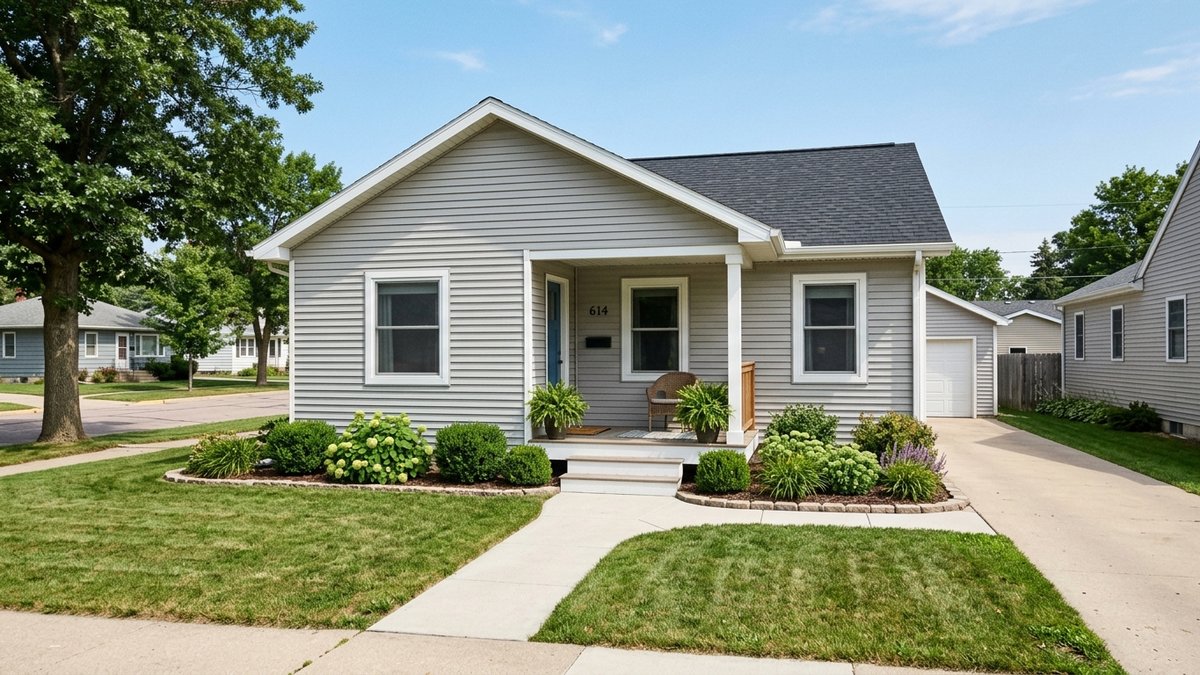
Sioux Falls at a glance
Sioux Falls is in Minnehaha County and is the county seat - the biggest city in the state. The metro influence reaches well beyond city limits into Lincoln County, nearby small towns, and the broader Sioux Falls–Sioux City trade corridor. Census Reporter shows a population of 168,755 in its ACS 2024 profile.
Locally, Sioux Falls is known for Falls Park, a strong healthcare and finance job base, and a housing mix that ranges from historic homes to new subdivisions and acreage properties. It also serves as a practical hub for commuters from Tea, Harrisburg, Brandon, Crooks, Hartford, Dell Rapids, and smaller Minnehaha County communities.
The market in 2025
Realtor.com reports a median home sale price of $339,900 with 48 median days on market. Redfin's March 2026 snapshot shows $310,000 median sale price at $190 per sqft and 66 median days on market, with sale price down about 1% year over year. The cleanest way to describe it: median sale prices land in a $310K–$340K range with roughly 48–66 days on market depending on source and month.
Inventory isn't loose. Realtor.com describes Sioux Falls as a place with active neighborhood-level demand and several submarkets tracking differently. Redfin's monthly data shows 212 homes sold in March 2026, down from 224 a year earlier. Fair plain-English read: Sioux Falls is more balanced than the frenzy years but still tight enough that well-priced homes move and quality listings get quick attention.
Neighborhoods and property types
Sioux Falls has very distinct submarkets, and buyers shop by lifestyle as much as price. Central neighborhoods - McKennan Park, Cathedral Historic District, Whittier, All Saints, Sunnycrest - draw buyers who want older homes, larger trees, and closer-in streets. Newer demand concentrates farther east and south, especially along the eastern growth corridor and around the Tea and Harrisburg edges where subdivision construction and newer floor plans stay popular.
All Saints is one of the city's most recognizable historic districts with hundreds of contributing properties. McKennan Park is known for historic homes around a central park setting. Cathedral Historic District is one of the city's best-known older residential pockets. For acreage buyers, the outskirts toward Minnehaha County offer the classic trade: more land, more systems to manage, longer commute than a central neighborhood.
Schools serving Sioux Falls
Sioux Falls is primarily served by Sioux Falls School District 49-5 - the city's main public district. US News reports 44 schools and roughly 25,000 students in the district, which gives a useful scale marker for families comparing neighborhoods.
Some buyers also care about feeder patterns and specialized options, especially in fast-growing parts of town. Homes near the Tea Area edge and Harrisburg edge can be shaped by school choice, open enrollment, and commute preferences - which makes school boundaries part of the buying decision even when the home is inside Sioux Falls city limits.
Jobs and commute
Sioux Falls is a regional job center, so many residents commute inward from surrounding towns while others commute across town. Common job anchors include healthcare, financial services, retail, logistics, construction, education, and local government - which keeps housing demand spread across multiple price points and neighborhoods. Buyers often choose between a shorter commute in central Sioux Falls and more house or land on the edges.
The eastern growth corridor and south-side growth patterns are especially tied to commute convenience and newer housing stock. That makes them attractive to buyers who want newer homes without giving up access to the city's core employers, schools, and retail. Acreage buyers accept more drive time in exchange for land and privacy.
Taxes and levies
South Dakota's state sales tax is 4.2%. Sioux Falls adds a local sales tax, making the combined city rate about 6.2%. Property taxes are based on assessed value and local taxing jurisdictions, so the bill varies by school district, city limits, and special districts. Minnehaha County's Equalization and Treasurer offices are the proper sources for assessment and payment information.
For home shoppers, the practical takeaway: sales tax is straightforward, while property tax depends on location within the city and surrounding county systems.
Who Sioux Falls fits
Sioux Falls fits first-time buyers who want a stable job market, move-up buyers who need more square footage, and sellers positioned in strong school or central neighborhoods. Older central homes near McKennan Park, All Saints, Cathedral Historic District, and Whittier appeal to buyers who care about character and walkability. Newer west, south, and eastern-edge homes fit buyers who want larger layouts and less renovation work.
For sellers, Sioux Falls still rewards sharp pricing and clean presentation. Homes weren't flying off the market instantly in 2025–26 data. For buyers, the market still required speed on the best listings, but it was no longer a pure bidding-war environment.
Frequently asked about Sioux Falls real estate
Is Sioux Falls a good place to live?
Yes. It offers a large-job-market city feel without the pace and cost of a bigger metro, plus neighborhood variety from historic districts to newer subdivisions.
What's the average home price in Sioux Falls?
A reasonable 2025–26 published range is about $310,000–$339,900 depending on the data source and month.
How far is Sioux Falls from Sioux City?
Roughly 75 miles by road. Verify with a mapping tool for exact drive time.
What school district serves Sioux Falls?
Sioux Falls School District 49-5 serves most of the city - the main public district.
Are there acreages near Sioux Falls?
Yes. Acreage options show up on the city edge and in surrounding Minnehaha County, especially where buyers are trading commute time for land and privacy.
Is Sioux Falls growing?
Yes. Recent population sources and metro coverage point to steady growth, and the housing market data shows ongoing demand rather than a stagnant market.
Sources US Census QuickFacts - Sioux Falls · Sioux Falls School District · Minnehaha County - Property Tax Assessment · Realtor.com - Sioux Falls market · Redfin - Sioux Falls market
Related guides for Sioux Falls
Work with Michelle Maloney in Sioux Falls
If Sioux Falls is on your list, narrow the search by neighborhood, school boundary, commute, and whether you want older central character, newer edge construction, or acreage tradeoffs.