
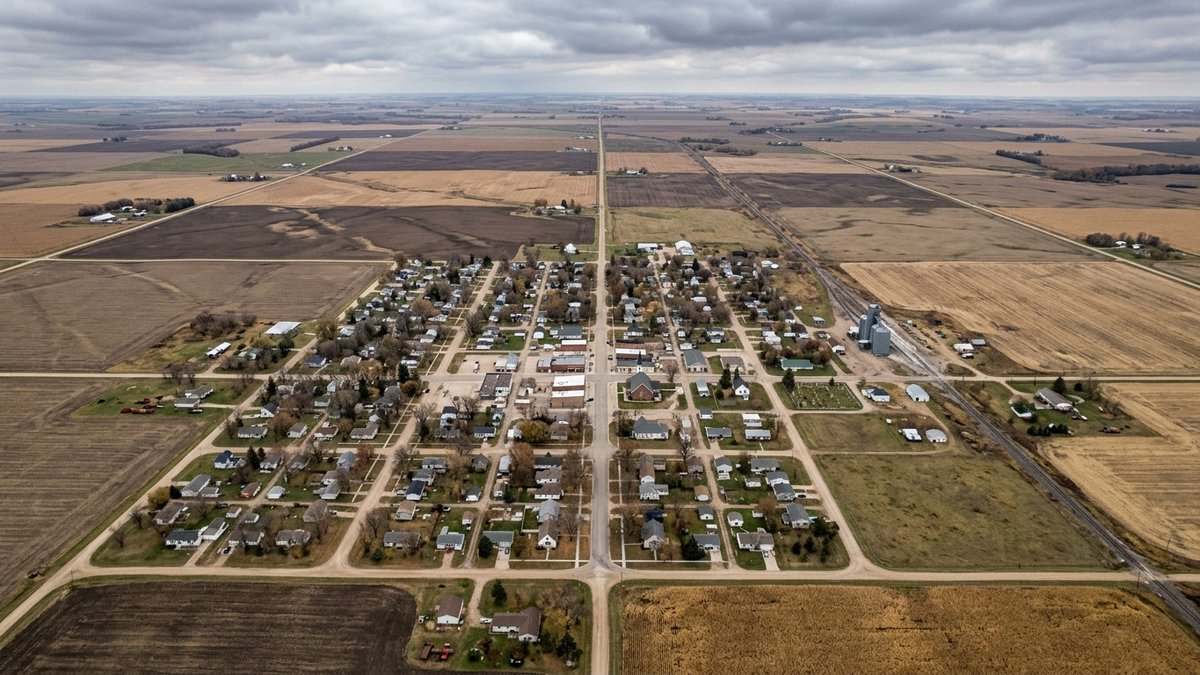
What makes a rural acreage sale different from a typical home sale?
A rural acreage sale often depends on records that do not matter as much for a house connected to city water and sewer. Buyers may need a clear picture of the well, on-site wastewater system, parcel boundaries, road access, easements, outbuildings, and any land-use details tied to the property. A listing can describe the setting, but documents and property-specific answers are what help the transaction move from interest to a workable offer.
That does not mean every acreage has the same issues. One property may have a long history of well service records and straightforward access. Another may have older paperwork, a shared drive, a seasonal concern, or improvements that need a closer look. The sensible seller task is to separate known facts from questions that belong with a qualified inspector, well professional, septic professional, surveyor, title company, or closing team.
For people comparing a rural property with other local options, the Move to SoDak acreage guide gives useful context on the kind of homes and land that may be available. When it is time to sell, though, a broad property-type page cannot replace the file for the actual parcel. Assemble that file early enough to use it during pricing and buyer conversations.
This is also why a generic seller-cost percentage is a weak starting point. The sale price, loan payoff, agreement terms, title work, inspections, negotiated repairs, and local tax details can all affect the final settlement. A record-first approach gives the listing and closing teams something concrete to review instead of asking them to fill gaps after an offer arrives.
Which disclosures and records should a seller gather first?
Start with the South Dakota Seller’s Property Condition Disclosure Statement and answer it from the seller’s actual knowledge. South Dakota Codified Law 43-4-44 provides the required residential disclosure form. The form states that it reflects the seller’s knowledge, is not a warranty, and does not replace inspections. It also describes a written amendment when a material fact changes before closing.
The useful preparation step is not trying to predict every buyer question. It is collecting the records that help the seller answer accurately. That can include prior disclosure forms, invoices for repairs, manuals, permits, service records, surveys, parcel descriptions, and documents about access or shared arrangements. Keep the originals or clear copies together, then let the listing and closing professionals identify what belongs in the sale file.
A seller should also avoid treating disclosure as a marketing script. The form is about the property’s known condition, while buyers may still choose their own inspections. Clear records can make those later conversations more focused, but they do not promise that every issue is resolved. A seller who learns of a change during the transaction can bring it to the closing team promptly so the disclosure process can be handled correctly.
If the acreage is part of a larger move, keep the sale timeline alongside the household timeline. The moving to southeast South Dakota guide can help organize the broader relocation questions, while the property file keeps the acreage sale grounded in the facts of that parcel.
How do well and septic records affect the conversation?
A private well and on-site wastewater system make documentation more valuable because buyers and their professionals need to understand what serves the home. South Dakota’s Department of Agriculture and Natural Resources provides public access to Water Well Completion Reports, commonly called well logs. Those reports can identify construction details that are useful to locate and discuss with the appropriate professional.
The state also describes on-site wastewater systems as typically using a septic tank and drainfield, with installation requirements in South Dakota rules. That is a reason to gather existing installation, maintenance, pumping, repair, and water-test records before the listing goes live. A missing record is not proof of a defect, and a record alone is not a current inspection. It is simply better to know what documentation exists before a buyer asks for it.
An abandoned well deserves a separate check. DANR says the owner of property with an abandoned well is responsible for plugging it. If an acreage has an old well, the seller can identify the question early and talk with a qualified local well professional about the property’s situation. That avoids making a broad claim about a system that has not been evaluated.
The same plain approach applies to septic questions. Describe the system from verified records, provide known information through the required process, and let qualified professionals handle inspections, water-quality testing, repairs, or system guidance. The goal is a precise property conversation, not a claim about equipment that has not been inspected.
What costs and documents deserve a property-specific check?
The costs of selling rural property are deal-specific, so use a document check instead of filling a budget with assumed percentages. A preliminary settlement estimate can show the current transaction entries once enough contract terms are known. Pair it with the current property-tax bill, loan payoff information, and the title documents for the parcel. That gives the closing professional a better starting point for explaining what is known and what remains subject to the agreement or title work.
For a Yankton County property, the County Treasurer lists April 30 and October 31 as the two property-tax due dates. That is useful local timing information, but it does not decide how taxes, credits, or other charges will appear in a particular sale. The purchase agreement, closing date, county record, and settlement statement control the property-specific result.
| Item to collect | Why it matters in a sale conversation |
|---|---|
| Current tax bill and parcel number | Gives the closing team the current county reference point |
| Survey, legal description, and easement records | Helps identify boundary and access questions for the parcel |
| Well and septic records | Gives qualified professionals a factual starting point |
| Repair, service, and improvement records | Helps the seller answer disclosure and condition questions from known information |
| Preliminary settlement estimate | Separates estimated transaction entries from the moving budget |
The table is a collection list, not a required-cost formula. A seller can ask the closing professional which documents are needed for the specific transaction, then keep the moving budget separate from the final settlement until the numbers are confirmed.
How can sellers turn those records into a listing plan?
Turn the file into a listing plan before photos, pricing, and offer deadlines create pressure. First, make a simple inventory of the documents already available. Next, list the unanswered items that need a qualified local professional or title review. That distinction helps the seller avoid presenting an assumption as a property fact.
Use this rural-sale checklist:
- Complete the property condition disclosure from known information and keep it current if a material fact changes.
- Gather existing well, water-test, septic, service, survey, access, tax, and repair records.
- Ask the listing and closing professionals which parcel-specific facts need title, county, or technical confirmation.
- Request a preliminary settlement estimate after the main deal terms are available.
- Keep the sale proceeds plan, moving expenses, and any tax or legal questions in separate conversations with the appropriate professionals.
That process is especially useful for sellers who are relocating and cannot make repeated trips back to the property. It gives the team a shared list of verified documents and open questions without pretending that one checklist solves every acreage issue. Buyers still may inspect, negotiate, or request more information, and the final transaction remains tied to the contract and closing records.
For local help with listing timing and southeast South Dakota market coordination, contact Move to SoDak. Bring the parcel details and your move timeline to the conversation, then keep inspection, water-system, tax, and legal decisions with the licensed or qualified professionals who handle them.
Frequently asked questions
Do rural acreage sellers need a South Dakota property condition disclosure?
Most residential sellers use the state-required property condition disclosure form, subject to the law's specific scope and exceptions. Complete it from actual knowledge and ask the closing team about the transaction's requirements.
Should a seller test a private well before listing?
The right testing or evaluation depends on the property and transaction. Gather existing well and water records, then ask a qualified local professional and the transaction team what information is appropriate.
Can a seller rely on old septic records?
Old records can provide useful history, but they do not replace a current property-specific assessment when one is needed. Keep the records with the sale file and discuss questions with a qualified septic professional.
When should a seller request a settlement estimate?
Request a preliminary estimate once the main deal terms are available. It helps separate current transaction entries from the moving budget before final closing documents are prepared.
Sources South Dakota Codified Law 43-4-44 · South Dakota Seller's Property Condition Disclosure Statement · South Dakota DANR On-Site Wastewater Systems · South Dakota DANR Well Information · South Dakota DANR Data and Mapping · Yankton County Treasurer
Related South Dakota resources

Work with Michelle Maloney
Bring Michelle the town, property type, timeline, and the decision you are stuck on. She will help you compare Sioux Falls, Vermillion, Yankton, Tea, Beresford, Elk Point, and the Sioux City corridor against the way you actually need to live or sell.