
Start with access before you fall for the land
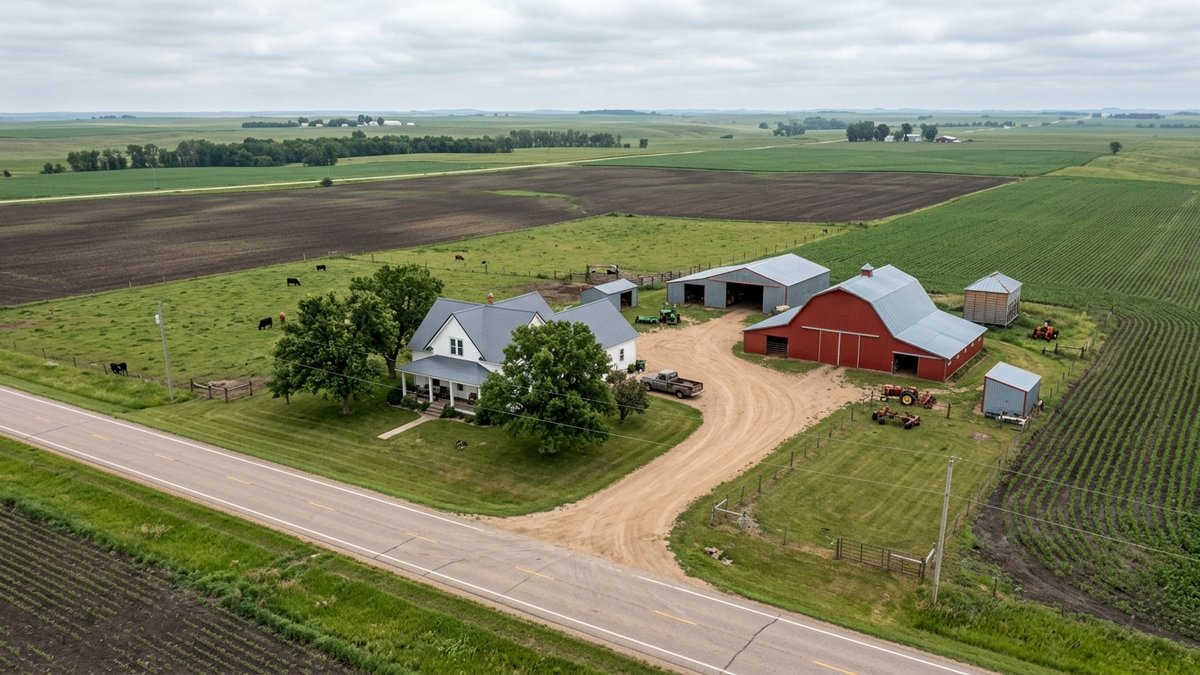
A southeast South Dakota acreage can look simple on a listing page: a house, a few acres, open views, maybe room for a shop. The first real question is whether you can use and maintain the property year round. Some rural roads are public and regularly maintained. Others may involve private road agreements, shared driveways, gravel upkeep, or a different plowing reality in winter. Before writing an offer, ask who maintains the road, who pays for it, and what happens after a heavy snow or spring thaw. That answer changes the daily life of the property. If you are comparing towns and rural pockets, start with the broader South Dakota communities context. Then narrow the search to parcels where access matches your work, school process, healthcare, and service needs. A five acre place outside Yankton may feel very different from a rural parcel between Beresford and Sioux Falls if your commute depends on road condition and plowing timing. Access is a lifestyle issue and a resale issue.
Well and septic are not small details
In town, water and sewer are often background items. On rural land, they can become the deal. County zoning and land use materials show why soil, minimum lot size, and septic feasibility matter before a buyer commits. A parcel may have enough space on paper and still need soil testing, a perc review, well yield checks, water quality testing, or a different septic design than expected. The tradeoff is time and due diligence. A pretty acreage with weak access to water or limited septic options may cost more to make usable than a less dramatic parcel with cleaner systems. Ask for well records when available. Ask about septic age, design, permit history, and service records. Then bring in the right local professionals before the inspection period gets away from you. If the seller cannot provide records, build extra verification time into the offer instead of assuming the system is fine.
Zoning decides what the acreage can actually do
Acreage buyers often imagine a shop, animals, a home business, a second structure, or future subdivision potential. Zoning decides how much of that is realistic. County rules can affect minimum lot size, setbacks, agricultural use, accessory buildings, driveway placement, and conditional use permits. Turner County zoning materials show how specific these rules can get at the county level, and other southeast South Dakota counties can differ. Do not assume one rural parcel works like the next one. If your plan includes horses, storage buildings, short term rental ideas, farm use, or a future build site, verify the rule before you rely on it. The moving to South Dakota checklist is useful for state level move steps, but acreage due diligence needs parcel level answers from the county. Ask the planning office about the exact parcel, not just the general district name.
Utilities can change the budget after the offer
The house price is only one part of the acreage math. Electric service, propane, internet, trash, water treatment, driveway work, fencing, mowing, tree lines, outbuilding condition, and snow equipment can all affect the budget. LandWatch shows active rural acreage inventory across southeast South Dakota, which means buyers may have options. Those options are not equal once services are counted. A lower priced parcel can become expensive if utility extensions or repairs are needed. A higher priced acreage may be more practical if the well, septic, road, shop, and internet are already workable. Tie the property back to your full South Dakota cost of living picture. Monthly payment matters, but so do the rural costs that do not show up in a normal subdivision comparison. Ask about propane tank ownership, internet speed, driveway length, mower needs, and whether the outbuildings are useful or just future repair bills.
Use the inspection period for rural questions
A normal home inspection is not enough for most acreages. You may need a septic inspection, well test, water quality test, survey review, driveway and culvert review, utility confirmation, zoning call, and insurance conversation. If there are barns, bins, shops, fences, or old farm features, check what stays, what needs repair, and what creates liability. Southeast South Dakota weather adds another layer. Wind, drifting snow, gravel maintenance, and outbuilding condition can affect how the property lives in January, not just how it photographs in June. A local real estate conversation can help you sort which questions belong before the offer and which belong inside the inspection window. When the parcel looks promising, use Talk With Michelle to get local help before the deadline pressure starts. The point is not to scare you away from land. The point is to know which questions could change your offer, your budget, or your willingness to own that exact property.
Match the acreage to the life you actually plan to live
More land is not automatically better. A smaller acreage with clean access, usable outbuildings, reliable internet, and a short drive to town may fit better than a larger parcel with more upkeep than you want. Think through the ordinary week. Where will groceries, work, appointments, school paperwork, livestock supplies, contractors, and winter equipment come from? How often will you need Sioux Falls, Yankton, Vermillion, or another service center? If you want quiet and space, the tradeoff may be more driving and more self management. If you want a rural feel with easier services, you may need to stay closer to a paved road or a stronger town hub. Acreage buying works best when the land supports the routine, not just the dream. Before the showing, write down what you want the acreage to do: garden, horses, shop space, storage, privacy, home office, or room between neighbors. Then test the property against that list. A beautiful parcel that fails your top two uses is probably the wrong parcel.
Frequently asked questions
What should I check first on a southeast South Dakota acreage?
Start with road access, well, septic, zoning, utilities, and winter maintenance. Those items decide whether the property works for daily life. The house can be appealing, but weak access or a costly septic issue can change the deal quickly.
Can I add a shop or animals to any rural property?
No. County zoning, setbacks, parcel size, covenants, and conditional use rules can limit buildings, animals, business use, or future changes. Ask the county about the parcel before assuming your plan is allowed. Also check whether any private restrictions apply.
Is a home inspection enough for acreage?
Usually not. Acreage buyers often need septic, well, water quality, survey, utility, access, and outbuilding checks along with the home inspection. Build enough time into the offer so those checks can happen before your contingency deadlines.
Why does winter access matter so much?
Snow, wind, gravel roads, long driveways, and plowing responsibility can change the daily cost and convenience of a rural property. Ask who plows, how often, and what equipment or contractor help you may need. That answer should affect your budget before closing.
Sources Turner County Revised Zoning Ordinance · LandWatch Southeast South Dakota Land · The Land Geek South Dakota Zoning Laws
Related South Dakota resources

Work with Michelle Maloney
Bring Michelle the town, property type, timeline, and the decision you are stuck on. She will help you compare Sioux Falls, Vermillion, Yankton, Tea, Beresford, Elk Point, and the Sioux City corridor against the way you actually need to live or sell.