
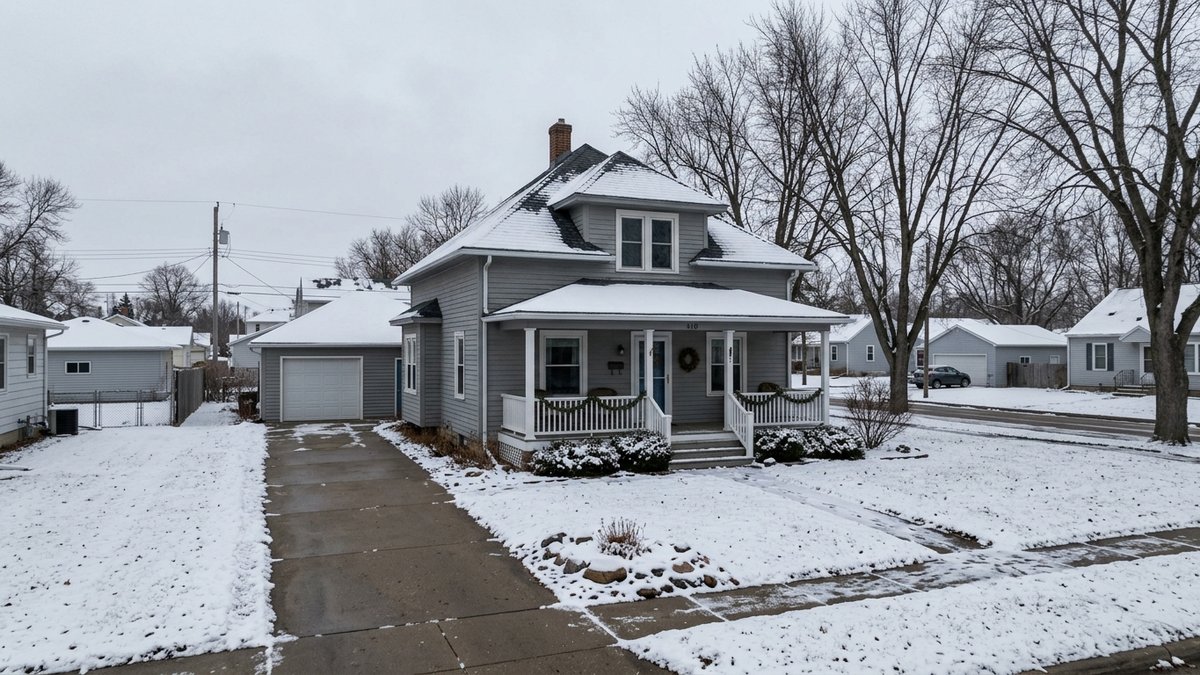
Why is there no single South Dakota winter-homeownership price?
South Dakota homes don’t enter winter with the same fuel, equipment, exposure, or access. A newer natural-gas house on a short city lot creates a different bill from an older electric home or a propane-heated acreage with a long lane. One statewide estimate hides the differences that control the budget.
The U.S. Energy Information Administration reports that natural gas was the primary heating source for 48.8 percent of South Dakota households in 2024. Electricity accounted for 31.6 percent, while propane accounted for 15.7 percent. Those shares explain why a neighbor’s December bill isn’t a dependable estimate for another house.
Start with the address. Ask for 12 to 24 months of electricity and fuel statements, then mark which months reflect a vacancy, a different thermostat setting, or unusual weather. Confirm whether propane deliveries appear separately and whether a tank is owned or leased. Averages can help with broad planning, but the property’s own history gives the South Dakota cost-of-living comparison a useful winter layer.
The first decision is simple: can the mortgage payment still work when the cold-month bills and property work arrive together? If the seller can’t provide records, keep the heating line unknown instead of filling it with a statewide guess.
Which heating details change the winter budget most?
Fuel type, equipment condition, building size, and heat loss change the heating budget most. The label on the thermostat doesn’t answer enough. Buyers also need the furnace, boiler, heat pump, electric resistance system, or propane equipment details.
Request the equipment age, service history, model information, and any recent repair invoices. Ask the inspector where ducts run and whether rooms heat evenly. An older system isn’t automatically a bad purchase, but a near-term replacement belongs in the offer decision and reserve plan.
Air leakage and insulation can make working equipment expensive to operate. The U.S. Department of Energy recommends reviewing bills, maintaining the heating system, changing filters, sealing major air leaks, and checking insulation or ducts in unheated areas. These steps don’t promise a fixed savings amount. They show where a buyer can investigate when prior bills look high.
Compare houses with the same worksheet. Record fuel, annual usage, highest cold-month bill, equipment age, visible air-sealing concerns, and inspection findings. A smaller asking price can lose its advantage if the house combines weak insulation with aging equipment. A more expensive home may carry a steadier winter budget when the system and building envelope are in better condition.
How much should snow access add to your plan?
Snow access should be priced from the driveway and road responsibility attached to the property. A shovel may cover a short sidewalk. A long gravel lane, steep approach, corner lot, or private road can require equipment, hired service, storage space, fuel, and more time.
Ask who clears the street, shared drive, alley, and mailbox area. For a private road, read the recorded agreement and identify who pays when a storm requires extra work. On an acreage, confirm whether a service truck can reach the propane tank, well equipment, or house after drifting snow.
The National Weather Service Sioux Falls office tells households to keep proper snow-removal equipment ready. Its winter guidance also warns that ice storms can cause long outages and that severe events may keep rural residents home for days. That turns access into more than a convenience line. It affects work trips, deliveries, medical travel, and repair response.
Put the actual plan in writing before buying: owner equipment, paid service, shared agreement, or a mix. Then add storage and maintenance. A snowblower without a usable shed or a plow that doesn’t fit the vehicle creates another purchase. The South Dakota relocation guide can hold the broader move plan, but the driveway still needs its own answer.
What preventive work belongs in a winter cost worksheet?
Preventive work belongs in the budget when it reduces the chance of a cold-weather failure or reveals a repair before closing. The useful list comes from the property, not a generic seasonal shopping trip.
South Dakota Housing advises owners to check the heating system, seal openings near pipes, maintain trees, and bring hoses or tools inside. Its checklist also covers driveway marking, clean gutters, and downspouts that direct water away from the foundation. A buyer can turn those points into inspection questions. Where are pipes near exterior walls? Do branches hang over the roof or service line? Can melting snow drain away from the house?
Use the inspection and seller documents to sort tasks by timing. A dirty filter is routine. A weak furnace, damaged gutter, dangerous limb, or recurring pipe-freeze history may deserve action before the first storm. Generator ownership adds another branch: confirm installation, fuel, safe operation, and service history rather than assuming the machine is ready.
Create three columns: before closing, before the first freeze, and routine winter work. Put estimates beside material items only after a qualified local provider sees the property. This keeps small supplies from disguising a larger heating, drainage, or tree problem.
Which insurance questions matter before winter?
Winter insurance questions should focus on the exact policy form, exclusions, limits, and deductibles. The words homeowners insurance don’t mean every property carries the same protection.
The South Dakota Division of Insurance explains that common policy forms cover different hazards. Its guidance says an HO2 form includes listed risks such as collapse or damage from the weight of ice and snow, falling trees, and certain water damage. HO3 coverage is broader for the home but still contains exclusions. The declarations and policy language control the answer.
Ask the insurance producer about ice and snow weight, falling limbs, roof condition, water damage, frozen pipes, and sewer backup. Also check detached structures, temporary living costs, and any separate wind or hail deductible. If the property has a shop, barn, generator, wood stove, or propane tank, disclose it and ask how it affects the quote.
Insurance belongs in the purchase comparison before the offer becomes hard to unwind. Obtain an address-specific quote and ask what inspection or repair the insurer may require. A low premium with a large deductible or missing coverage may not be the cheaper winter choice. Keep insurance guidance general and use the licensed producer for the policy decision.
How do vehicles and outages affect the home budget?
Vehicles and outages affect the home budget when the property depends on reliable travel or powered equipment. Rural distance, an exposed commute, or a home with electric well and heating components can raise the value of preparation.
The National Weather Service recommends a winter survival kit for travel and warns that blizzards can make driving dangerous, especially in open country. Price vehicle readiness separately from the house payment. Battery condition, tires, antifreeze, wipers, emergency supplies, and an alternate route can matter during the same week that heating use peaks.
At the house, list what stops during an outage. Consider heat, well water, sump equipment, refrigeration, medical devices, garage access, and internet needed for work. A generator isn’t the only answer, and it introduces purchase, installation, fuel, and maintenance questions. Some households may choose supplies and a safe temporary plan instead.
Tie the plan to the actual location. A city home near services has a different outage and travel profile from an acreage where drifting blocks the lane. The moving-to-South-Dakota checklist covers state move tasks. Add a separate winter-readiness line for every vehicle and every powered system the household can’t go without.
How can buyers compare two homes with one winter worksheet?
Compare two homes by collecting the same winter evidence for each address. Don’t give the favorite house a vague estimate while demanding detailed records from the alternative.
| Budget bucket | Evidence to collect | Decision question |
|---|---|---|
| Heating | 12 to 24 months of bills, fuel, equipment age, service records | Can the cold-month usage fit the monthly budget? |
| Access | Driveway length, road agreement, plowing responsibility, storage | Who clears the property, with what equipment, and at whose cost? |
| Prevention | Inspection findings, pipes, gutters, trees, air leaks, backup systems | Which work is needed before the first freeze? |
| Insurance | Quote, form, exclusions, limits, deductibles, required repairs | What winter loss stays with the owner? |
| Reserve | Outage supplies, emergency heat plan, repairs, vehicle needs | How much cash must remain available after closing? |
Keep unknowns visible. If one seller supplies bills and service records while another can’t, that difference belongs in the risk comparison. Don’t turn missing information into a zero.
After the worksheet, compare the first winter rather than only the first mortgage payment. Include immediate work, expected bills based on the address history, equipment purchases, and the reserve left after closing. If you want help matching those property questions to a South Dakota home search, talk with Michelle before the inspection and insurance deadlines start controlling the decision.
Frequently asked questions
What should I ask a seller for before buying a South Dakota home?
Request 12 to 24 months of electricity and heating-fuel history, heating-equipment service records, known freeze or water issues, and details about driveway or private-road snow removal.
Is natural gas always cheaper than electric or propane heat?
No single rule works for every property. Compare the home's actual usage, local rates, equipment type and condition, insulation, square footage, and delivery or tank terms.
Does homeowners insurance cover snow and frozen-pipe damage?
Coverage depends on the policy form and its exclusions, limits, deductibles, and conditions. Review the exact policy with a licensed insurance producer before buying.
What should be in a winter emergency reserve?
Plan for heating or plumbing failures, outage supplies, emergency heat or temporary lodging, tree damage, snow equipment repairs, vehicle needs, and delayed contractor access.
Sources U.S. EIA South Dakota Energy Data · NWS Sioux Falls Winter Preparedness · South Dakota Housing Winter Homeownership · South Dakota Homeowners Insurance Forms · U.S. Department of Energy Home Checklist · U.S. Department of Energy Winter Bill Tips
Related South Dakota resources

Work with Michelle Maloney
Bring Michelle the town, property type, timeline, and the decision you are stuck on. She will help you compare Sioux Falls, Vermillion, Yankton, Tea, Beresford, Elk Point, and the Sioux City corridor against the way you actually need to live or sell.